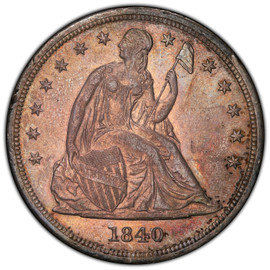
1853 Arrows and Rays Seated Half Dollar; PCGS MS62
Brand : PCGS Coins
$4,000.00
- SKU:
- 06615885

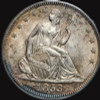
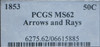
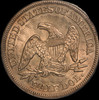
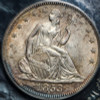
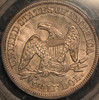
The 1853 "Arrows and Rays" design is historically significant because it marked a major monetary adjustment in the United States following the California Gold Rush, making it one of the most famous one-year type coins in American numismatics.
The Economic Catalyst
During the early 1850s, huge quantities of gold flooded the market, drastically shifting the gold-to-silver ratio and making silver bullion more valuable than its face value. Speculators found an easy profit by melting down U.S. silver coins to sell for gold, creating a severe daily commerce crisis where silver coins vanished from circulation.
The Coinage Act of 1853
To stop the wholesale melting of silver, Congress passed the Coinage Act of 1853, which temporarily reduced the weight of the half dollar from 206.25 grains to 192 grains. This officially made silver coins "token" currency, as their melt value was intentionally lower than their face value.
Meaning of the Arrows and Rays
- The Arrows: Placed on either side of the date on the obverse, the arrows visually indicated to the public and merchants that the coin had been struck with a reduced weight and silver content.
- The Rays: Positioned behind the eagle on the reverse, the sunburst of rays was added to draw extra attention to the new, altered weight standard.
Rarity and Collectability
The rays proved to be problematic during the minting process as they drastically shortened the lifespan of the coinage dies. As a result, the rays were dropped in 1854, making the "Arrows and Rays" half dollar a strictly one-year design.
Because the coins feature a distinct obverse and reverse modification and were struck across only two facilities (Philadelphia and New Orleans), they are highly prized by collectors as a type coin. You can explore grading estimates and historical valuations for the 1853 Arrows and Rays Seated Liberty Half Dollar through numismatic resources like Stack's Bowers.